
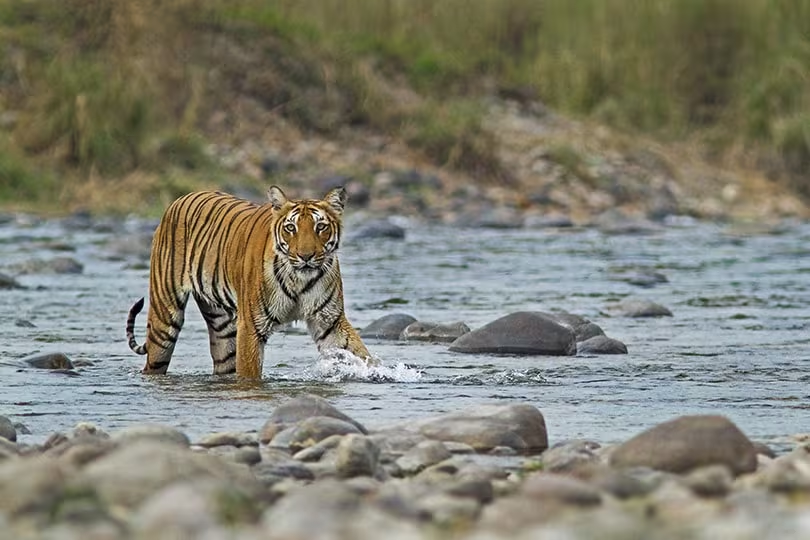
Best Time to Visit Jim Corbett National Park
Jim Corbett National Park , located in Uttarakhand, India, is famous for its Royal Bengal Tigers, lush forests, and diverse wildlife. The timing of your visit can significantly affect your experience, depending on whether you’re aiming for wildlife spotting, adventure activities, or nature photography.
Popular Safari Zones in Jim Corbett National Park
Jim Corbett National Park is divided into several zones, each with unique landscapes, wildlife, and safari experiences. Note that not all zones are open throughout the year, and some require advance booking.
1. Dhikala Zone
- Highlight: The most famous and largest zone (~50 sq km core area).
- Best for: Tigers, elephants, leopards, and birdwatching.
- Activities:
- Jeep safaris (early morning & afternoon)
- Nature photography
- Staying in forest lodges inside the park
- Tip: Open from November to June; pre-booking essential.
2. Bijrani Zone
- Highlight: Dense forests with good visibility of tigers and herbivores.
- Best for: Tiger spotting and deer herds.
- Activities:
- Morning and afternoon safaris
- Birdwatching and photography
- Tip: Popular due to higher probability of tiger sightings.
3. Jhirna Zone
- Highlight: First zone to reopen after monsoon.
- Best for: Tigers, leopards, elephants, and wild boars.
- Activities:
- Jeep safaris
- Nature trails (with guide)
- Tip: Ideal for tourists visiting from Delhi/NCR due to easy access.
4. Dhela / Durga Devi Zone
- Highlight: Less crowded; good for exploring smaller carnivores.
- Best for: Leopards, hyenas, and bird species.
- Activities: Safari and photography.
5. Sitabani Zone (Buffer Zone)
- Highlight: Open buffer zone, famous for birding and safari by foot.
- Best for: Leopards, wild cats, jackals, and birds.
- Activities:
- Walking safaris (with guide)
- Birdwatching and nature trails
Safari Types in Jim Corbett
- Jeep Safari (Most Popular)
- Duration: 3–4 hours
- Best for: Tigers, elephants, leopards
- Zones: All major zones (Dhikala, Bijrani, Jhirna)
- Canter Safari (Group Safari)
- Open in Dhikala Zone only
- Capacity: 20–25 people
- Best for: Large groups and photography
- Walking Safari
- Available in buffer zones like Sitabani
- Led by trained forest guides
- Experience the jungle on foot, spot small mammals, reptiles, and birds
1. Peak Season: November to June
- Why Visit:
The park remains open from November to June. During these months, the weather is pleasant, and the chances of spotting wildlife are higher because animals come out in search of water in the dry season. - Climate:
- Winter (Nov – Feb): Temperatures range from 5°C to 25°C. Cold mornings and evenings, but clear skies make it ideal for wildlife safaris.
- Summer (Mar – Jun): Temperatures rise to 35°C, but mornings are still perfect for safaris. The vegetation thins out, improving animal sightings.
- Wildlife Sightings: Tigers, elephants, leopards, deer, and various bird species are more visible.
- Best Activities: Jungle safaris, birdwatching, and photography.
2. Monsoon Season: July to October
- Why Not Ideal:
The park is closed during monsoon due to heavy rainfall, slippery roads, and increased risk of floods in some areas. - Climate:
Heavy rains and lush greenery transform the park into a dense forest, but safaris are suspended to protect visitors and wildlife. - Wildlife Sightings: Less accessible; animals remain hidden due to dense vegetation.
- Activities: Photography of waterfalls, rivers, and landscapes is possible, but safaris are not allowed.
Predators in Jim Corbett National Park
1. Royal Bengal Tiger (Panthera tigris tigris)
- Iconic Species: The star attraction of Corbett.
- Population: Corbett has a healthy tiger population, making sightings relatively common compared to other reserves.
- Habitat: Dense forests, grasslands, riverine belts, and near waterholes.
- Behavior: Mostly solitary; best sightings are early morning or late afternoon safaris.
- Tips for Spotting: Tigers often come out near waterholes in summer or trails of prey like deer.
2. Leopard (Panthera pardus)
- Stealthy Predator: Very adaptable, often lives in hilly and forested areas.
- Behavior: Nocturnal; mostly active at night but occasionally seen during the day.
- Diet: Deer, monkeys, birds, and smaller mammals.
- Tip for Spotting: Less common than tigers; look for them in rocky terrains or dense forests.
3. Striped Hyena (Hyaena hyaena)
- Scavenger and Predator: Feeds on carrion but can hunt small animals.
- Behavior: Nocturnal; usually spotted at night or early morning.
- Role: Helps clean the ecosystem by scavenging.
- Tip: Sightings are rare; often heard howling at night.
4. Wild Dog / Dhole (Cuon alpinus)
- Pack Hunter: Hunts in groups, very efficient and fast.
- Behavior: Active during early mornings and late evenings; highly social.
- Diet: Deer, wild boar, and smaller mammals.
- Tip: Sightings are possible in grasslands or near open forest patches.
5. Jackal (Canis aureus)
- Smaller Carnivore: Opportunistic feeders; mainly scavengers.
- Behavior: Nocturnal and crepuscular (active at dawn/dusk).
- Diet: Fruits, small mammals, birds, and carrion.
- Tip: Look near open areas or near water sources.
6. Other Predators
- Jungle Cat: Rare, nocturnal, solitary.
- Fishing Cat: Lives near rivers and marshes; skilled at catching fish.
- Monitor Lizard: Though not a mammal, a top predator in wetlands.