
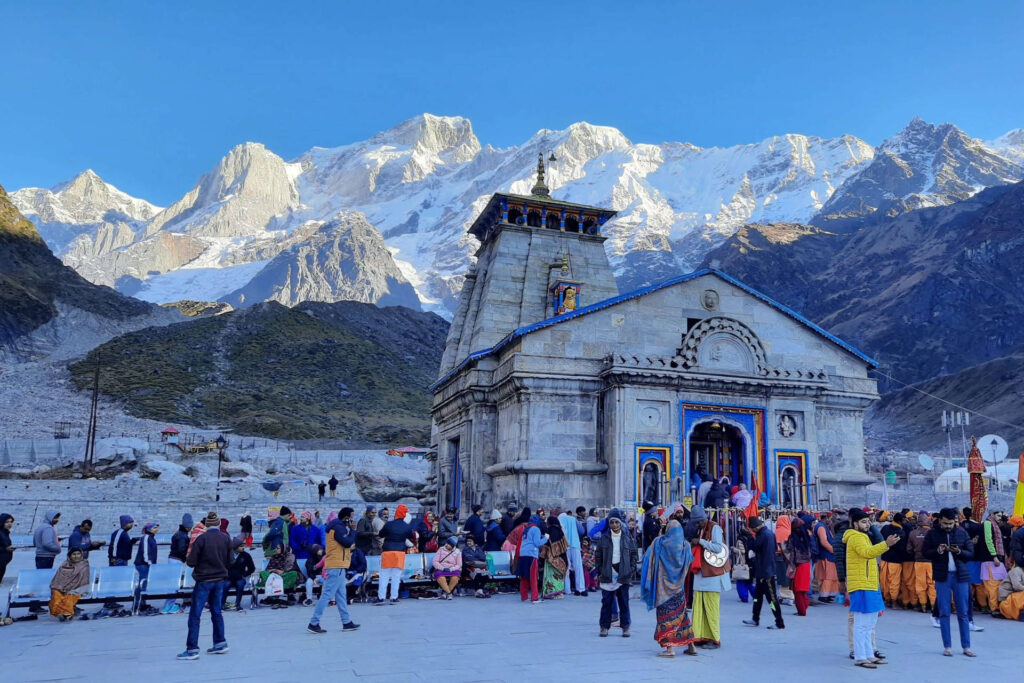
Kedarnath Temple Uttarakhand
Kedarnath Temple Uttarakhand – Complete Travel & Yatra Guide Nestled in the majestic Garhwal Himalayas, Kedarnath Temple Uttarakhand is one of the most sacred pilgrimage sites in India. Dedicated to Lord Shiva, this ancient temple attracts thousands of devotees and adventure seekers every year. Surrounded by snow-capped peaks and breathtaking natural beauty, Kedarnath offers a spiritual as well as scenic experience that remains unforgettable. About Kedarnath Temple Kedarnath Temple is one of the twelve Jyotirlingas of Lord Shiva and holds immense religious importance in Hinduism. The temple is located in the small town of Kedarnath in Uttarakhand at an altitude of approximately 3,583 meters above sea level. According to Hindu mythology, the temple was originally built by the Pandavas after the Mahabharata war to seek forgiveness from Lord Shiva. Later, it was revived and renovated by Adi Shankaracharya in the 8th century. The temple’s stunning stone architecture and its survival through extreme weather conditions make it a symbol of faith and resilience. Kedarnath and Char Dham Yatra Kedarnath is one of the four sacred shrines included in the famous Char Dham Yatra, along with Yamunotri, Gangotri, and Badrinath. Completing the Char Dham Yatra is believed to cleanse one’s sins and help attain salvation (moksha). Every year, during the pilgrimage season, lakhs of devotees undertake the challenging journey to seek blessings. The temple remains open from April/May to October/November, depending on weather conditions, and remains closed during heavy winter snowfall. Best Time to Visit Kedarnath The best time to visit Kedarnath Temple Uttarakhand is from May to June and September to October. During these months, the weather is relatively pleasant and suitable for trekking. The monsoon season (July–August) brings heavy rainfall and landslides, making travel risky. Winters are extremely cold, and the temple remains closed. If you want clear views of the Himalayan peaks and a comfortable journey, plan your visit in early summer or post-monsoon season. Kedarnath Trek Distance and Route One of the most exciting parts of the journey is the Kedarnath trek. The trek starts from Gaurikund and covers a distance of around 16–18 kilometers to reach the temple. Pilgrims can walk, hire ponies, take palkis, or opt for helicopter services. The trek route offers mesmerizing views of rivers, waterfalls, and mountains. Though challenging, the spiritual energy and natural beauty make the journey rewarding. It is advisable to carry warm clothes, comfortable trekking shoes, and basic medical supplies. Kedarnath holds immense religious significance in Hinduism. According to mythology, the temple was built by Adi Shankaracharya in the 8th century. It is believed that after the Mahabharata war, the Pandavas sought Lord Shiva’s blessings here to atone for their sins. The ancient Kedarnath Temple is dedicated to Lord Shiva and is built with massive stone slabs, making it a marvel of ancient architecture. Despite harsh weather conditions, the temple has stood strong for centuries, adding to its divine aura. top tourist attractions in Kedarnath 1. Kedarnath Temple The main attraction of Kedarnath is the sacred Kedarnath Temple, dedicated to Lord Shiva. Situated at an altitude of 3,583 meters, this ancient temple is one of the twelve Jyotirlingas in India. Surrounded by snow-covered Himalayan peaks, the temple offers a divine and peaceful atmosphere. Early morning and evening aarti are spiritually uplifting experiences. 2. Bhairavnath Temple Located about 500 meters uphill from Kedarnath Temple, Bhairavnath Temple is dedicated to Lord Bhairav, believed to be the guardian deity of Kedarnath. It is said that during winter, when Kedarnath Temple remains closed, Bhairavnath protects the region. The short trek to this temple rewards visitors with breathtaking panoramic views of the valley. 3. Vasuki Tal Vasuki Tal is a beautiful high-altitude glacial lake located around 8 km from Kedarnath. Surrounded by majestic Himalayan peaks, this lake is a paradise for trekkers and nature lovers. The crystal-clear water reflects the mountains, creating a mesmerizing sight. The trek to Vasuki Tal is moderate to challenging but worth the effort. 4. Gandhi Sarovar Also known as Chorabari Tal, Gandhi Sarovar is a small glacial lake located about 3–4 km from Kedarnath. It is named after Mahatma Gandhi, as his ashes were immersed here. The peaceful surroundings and scenic beauty make it a perfect short trek destination. 5. Gaurikund Gaurikund is the starting point of the Kedarnath trek. It is believed to be the place where Goddess Parvati meditated to win Lord Shiva’s heart. The natural hot water springs here are considered sacred. Pilgrims often take a dip before starting their journey to Kedarnath. 6. Adi Shankaracharya Samadhi Located just behind Kedarnath Temple, this samadhi marks the final resting place of Adi Shankaracharya, who revived Hindu pilgrimage sites in the 8th century. The serene surroundings and historical significance make it an important stop for visitors. 7. Sonprayag Situated near Gaurikund, Sonprayag is a scenic town where the rivers Mandakini and Basuki meet. It serves as a major halt for pilgrims traveling to Kedarnath. The natural beauty and calm environment make it a refreshing stop.