myblogdiary.space

Uncategorized

Uncategorized

Rishikesh-the yoga capital of the world and adventure hub

Rishikesh: The Yoga Capital of the World and Gateway to the Himalayas Rishikesh, located in the foothills of the Himalayas in Uttarakhand, India, is one of the most popular spiritual and adventure destinations in the country. Known globally as the Yoga Capital of the World, Rishikesh attracts spiritual seekers, adventure lovers, and nature enthusiasts from all over the world. Situated on the banks of the holy River Ganga, this serene town perfectly blends spirituality, natural beauty, and thrilling activities. Why Rishikesh is Famous Worldwide Rishikesh gained international recognition after The Beatles visited Maharishi Mahesh Yogi’s ashram in the 1960s. Since then, it has become a global hub for yoga, meditation, and wellness retreats. Thousands of visitors come to Rishikesh every year to practice yoga, attend spiritual discourses, and experience inner peace amidst the Himalayas. Apart from spirituality, Rishikesh is also famous for river rafting, bungee jumping, cliff jumping, trekking, and other adventure sports, making it a perfect destination for all types of travelers. Top Tourist Attractions in Rishikesh 1. Laxman Jhula and Ram Jhula Laxman Jhula and Ram Jhula are iconic suspension bridges over the River Ganga and major landmarks of Rishikesh. According to mythology, Lord Laxman crossed the Ganga at this spot using a jute rope. These bridges offer stunning river views and connect important temples, ashrams, and local markets. 2. Triveni Ghat Triveni Ghat is the most sacred bathing Ghat in Rishikesh. The Ganga Aarti performed here every evening is a magical experience. The sight of oil lamps floating on the river creates a deeply spiritual atmosphere that leaves visitors mesmerized. 3. Parmarth Niketan Ashram Parmarth Niketan is one of the largest and most well-known ashrams in Rishikesh. It offers yoga courses, meditation sessions, and spiritual programs. The evening Ganga Aarti at Parmarth Niketan is especially popular among tourists. 4. Beatles Ashram (Chaurasi Kutia) Also known as Chaurasi Kutia, the Beatles Ashram is a historic site surrounded by forest. The place is now covered with beautiful graffiti and murals, making it a favorite spot for photographers and history lovers. 5. Neelkanth Mahadev Temple Located about 30 km from Rishikesh, Neelkanth Mahadev Temple is dedicated to Lord Shiva. Surrounded by lush greenery, this temple holds great religious significance and offers a peaceful escape from city life. Adventure Activities in Rishikesh Rishikesh is often called the Adventure Capital of India. Some of the most popular adventure activities include: Yoga, Meditation, and Wellness in Rishikesh Rishikesh is globally recognized for yoga teacher training courses and meditation retreats. Many ashrams and yoga schools offer 200-hour, 300-hour, and 500-hour Yoga Teacher Training Courses certified by Yoga Alliance. Whether you are a beginner or an advanced practitioner, Rishikesh provides an ideal environment for holistic healing and self-discovery. Ayurvedic therapies, detox programs, and wellness retreats further enhance the spiritual charm of this sacred town Best Time to Visit Rishikesh The best time to visit Rishikesh is from February to June and September to November. During these months, the weather is pleasant and ideal for sightseeing, yoga, and adventure activities. Food and Shopping in Rishikesh Rishikesh is a vegetarian-only city due to its spiritual importance. You can enjoy delicious local food, North Indian meals, and international cuisines like Italian, Israeli, and continental dishes. Popular cafés near Laxman Jhula offer river-view dining experiences. For shopping, local markets sell spiritual books, yoga accessories, Rudraksha beads, handicrafts, and Ayurvedic products. How to Reach Rishikesh By Air: Jolly Grant Airport (Dehradun) is the nearest airport, about 21 km away. By Train: Rishikesh Railway Station is well-connected to major cities. By Road: Regular buses and taxis are available from Delhi, Haridwar, and Dehradun.
Uncategorized

Mussoorie-The Queen of Hills

Nestled gracefully in the Garhwal Himalayas, Mussoorie is one of Uttarakhand’s most loved hill stations. Fondly known as “The Queen of the Hills,” this charming town sits at an altitude of about 2,000 meters above sea level, offering breathtaking views of snow-capped Himalayan peaks and the lush Doon Valley below. Mussoorie’s story begins during the British era, when it was discovered as a peaceful summer retreat. Over time, it grew into a cultural and natural haven, blending colonial architecture, winding mountain roads, and timeless natural beauty. Even today, walking through Mussoorie feels like stepping into a storybook where misty mornings, cool breezes, and quiet forests set the mood. The heart of Mussoorie beats at Mall Road, a lively stretch filled with local shops, cafés, and viewpoints. From here, the town unfolds into iconic attractions like Gun Hill, offering panoramic sunset views, and Camel’s Back Road, perfect for calm evening walks amid pine and deodar trees. Nature lovers are drawn to Kempty Falls, Cloud’s End, and Lal Tibba, the highest point in Mussoorie. Beyond scenic beauty, Mussoorie carries a soulful charm. The town has inspired writers, travelers, and dreamers for generations. Its pleasant weather, colonial churches, old libraries, and quiet lanes create an atmosphere of peace and nostalgia that stays with visitors long after they leave. Whether you seek romance, relaxation, adventure, or inspiration, Mussoorie welcomes you with open arms. It is not just a destination—it is a feeling, a gentle escape into the mountains where nature whispers stories at every turn. Natural Beauty of Mussoorie Mussoorie, the Queen of the Hills, is blessed with breathtaking natural beauty that captivates every visitor. Surrounded by the majestic Garhwal Himalayas, this hill station is a perfect blend of misty mountains, lush green forests, and panoramic valley views. The town is wrapped in dense oak, pine, and deodar forests, filling the air with freshness and peace. During early mornings, soft clouds float through the hills, creating a magical atmosphere that makes Mussoorie feel like a dreamland. From several viewpoints, visitors can witness stunning sunrises and sunsets over the Doon Valley and distant snow-covered Himalayan peaks. Mussoorie is also known for its beautiful waterfalls and natural springs, with Kempty Falls being the most famous. The soothing sound of flowing water adds to the calm charm of the surroundings. Scenic walking trails like Camel’s Back Road and Cloud’s End offer quiet moments close to nature, away from city noise. The changing seasons enhance Mussoorie’s beauty even more. Summers are cool and refreshing, monsoons paint the hills in vibrant green, and winters bring misty landscapes with occasional snowfall. Every season gives Mussoorie a new personality, making it attractive throughout the year. The natural beauty of Mussoorie is not just something to see—it is something to feel. Its peaceful environment, cool climate, and scenic charm make it an ideal escape for nature lovers, photographers, and travelers seeking tranquility in the lap of the Himalaya Major Attractions of Mussoorie Mall Road Mall Road is the heart of Mussoorie, lined with local shops, cafés, and restaurants. It’s the perfect place for evening walks, shopping, and enjoying beautiful valley views. Gun Hill One of the highest points in Mussoorie, Gun Hill offers stunning panoramic views of the Himalayan ranges and the Doon Valley. It is easily accessible by ropeway and is especially popular at sunset. Kempty Falls Kempty Falls is the most famous waterfall in Mussoorie. Surrounded by hills, it is a popular picnic spot where visitors can enjoy the refreshing natural surroundings. Camel’s Back Road This peaceful walking stretch is named after a rock formation shaped like a camel. It offers calm surroundings and beautiful views, making it ideal for nature lovers and morning or evening walks. Lal Tibba Lal Tibba is the highest point in Mussoorie and provides breathtaking views of snow-covered Himalayan peaks. The area is quiet and perfect for photography and nature lovers. Cloud’s End Located away from the busy town, Cloud’s End marks the geographical end of Mussoorie. Surrounded by thick forests, it is ideal for travelers seeking peace and scenic beauty. Mussoorie Lake Mussoorie Lake is a serene spot popular for boating and relaxing. It offers lovely views of the surrounding hills and is a good stop for families. Company Garden Also known as Municipal Garden, this beautifully maintained garden features colorful flowers, fountains, and recreational activities, making it a favorite spot for families and children. Mussoorie – A Timeless Hills Destination 1820s – Discovery of Mussoorie Mussoorie was discovered in 1825 by British military officers as a peaceful hill retreat. Its cool climate and scenic beauty quickly made it a favored escape from the plains. 1840s–1900s – Colonial Hill Station Era During British rule, Mussoorie developed into a prominent summer capital. Colonial churches, schools, libraries, and Mall Road were established, giving the town its classic old-world charm. Early 20th Century – Cultural & Educational Hub Mussoorie became home to prestigious schools and institutions, attracting students from across India. Writers, thinkers, and artists found inspiration in its calm atmosphere and misty landscapes. Post-Independence – A Popular Indian Hill Station After 1947, Mussoorie emerged as one of India’s most loved hill destinations. Improved connectivity and tourism infrastructure made it accessible to travelers from all parts of the country. 1980s–2000s – Rise of Tourism With the growth of tourism, Mussoorie gained popularity for honeymoon trips, family vacations, and weekend getaways. Attractions like Gun Hill, Kempty Falls, and Lal Tibba became iconic landmarks. Present Day – Nature, Heritage & Serenity Today, Mussoorie stands as a perfect blend of natural beauty, colonial heritage, and modern tourism. Surrounded by forests, mountain views, and peaceful walking trails, it continues to charm travelers seeking relaxation and inspiration. Mussoorie Today Mussoorie is not just a hill station—it is a timeless destination where history, culture, and nature come together, offering a memorable experience in every season

Uncategorized

Kasar Devi Temple – Sacred Story

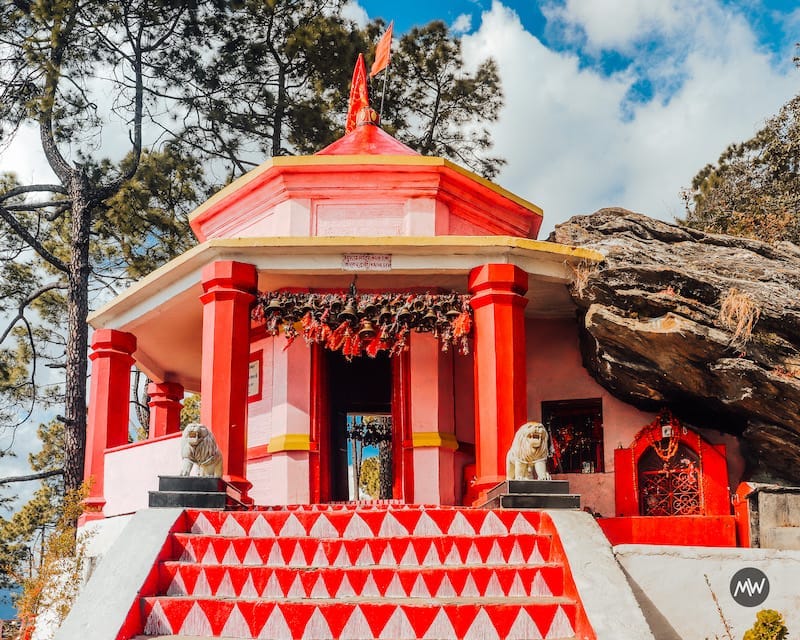
Kasar Devi Temple – Story and Legend Kasar Devi Temple is a highly sacred and ancient shrine dedicated to Goddess Kasar Devi, located near Almora in Uttarakhand. The temple is believed to be over 2,000 years old and has been a powerful spiritual center since ancient times. According to sacred belief, Goddess Kasar Devi is a divine manifestation of Shakti (Durga), the supreme feminine energy. It is said that sages and rishis, while meditating in the Himalayan region, felt an intense spiritual force on this hill. Recognizing the place as divinely charged, they established the temple to worship the goddess who governs energy, wisdom, and protection. One sacred legend states that the Pandavas, during their exile, visited this hill and performed deep meditation to seek the blessings of the Goddess. Pleased with their devotion, Kasar Devi is believed to have granted them strength, clarity, and protection on their spiritual journey. The temple is also renowned for its location within the Van Allen Belt, a rare geomagnetic zone. Ancient sages are believed to have chosen this exact spot due to its cosmic energy, which enhances meditation, spiritual awakening, and inner transformation. This divine energy is still felt by devotees and seekers today. For centuries, saints, yogis, and spiritual seekers have considered Kasar Devi Temple a gateway to higher consciousness. Worshipping here is believed to remove negative energies, fulfill sincere wishes, and bring peace, balance, and spiritual growth. Even today, Kasar Devi Temple stands as a sacred bridge between nature, cosmic energy, and divine power, drawing devotees who seek blessings, silence, and spiritual enlightenment in the lap of the Himalayas. Ancient Origins and Legend of Kasar Devi Temple Kasar Devi Temple has ancient origins dating back more than 2,000 years, making it one of the oldest and most sacred temples in the Kumaon region of Uttarakhand. Historical references suggest that the temple was already an important spiritual center during the Vedic period, when sages and ascetics practiced meditation in the Himalayan forests. According to legend, this hilltop was discovered by rishis and yogis who sensed an extraordinary spiritual and cosmic energy at this location. They believed the place to be divinely blessed and established the temple to worship Goddess Kasar Devi, a powerful manifestation of Shakti (Durga), who represents strength, wisdom, and protection. Ancient folklore also connects the temple to the Pandavas of the Mahabharata, who are believed to have visited this sacred hill during their exile. It is said they meditated here to gain divine guidance and inner strength, further enhancing the spiritual importance of the site. Spiritual Energy and Earth’s Magnetic Field at Kasar Devi Temple Kasar Devi Temple is globally known for its unique spiritual energy, which is closely linked to the Earth’s magnetic field. The temple lies within a rare geomagnetic zone associated with the Van Allen Belt, a region where cosmic radiation interacts with Earth’s magnetosphere. This phenomenon creates an area of unusually high geomagnetic intensity, making the location especially powerful for meditation and spiritual practices. Ancient sages and yogis are believed to have identified this spot thousands of years ago through deep meditation and spiritual insight. They chose it intentionally, as the natural magnetic energy of the area helps quiet the mind, increase concentration, and deepen awareness. Many visitors report a strong sense of calm, heightened perception, and inner clarity while spending time at the temple. This invisible magnetic force is thought to align human energy with cosmic vibrations, allowing seekers to experience deeper states of consciousness. For this reason, Kasar Devi has long been a retreat for saints, monks, and spiritual explorers from around the world. The powerful combination of natural geomagnetic energy, sacred landscape, and divine worship makes Kasar Devi Temple a rare place where science and spirituality meet. Even today, devotees believe that meditating here helps release negative energies, awaken inner potential, and create a profound connection with the universe. Natural Beauty and Atmosphere of Kasar Devi Temple Kasar Devi Temple is surrounded by pristine natural beauty that enhances its sacred and meditative atmosphere. The temple is set on a peaceful hilltop near Almora, enveloped by dense pine and oak forests, with the Himalayan mountains forming a majestic backdrop. The gentle rustling of trees and the chirping of birds create a naturally calming environment. The area offers panoramic views of snow-capped peaks, especially during sunrise and sunset, when the sky is painted in soft hues of gold and pink. The clean mountain air and open skies add to the sense of freshness and clarity, making visitors feel instantly relaxed and spiritually uplifted. The atmosphere around the temple is often described as quiet, mystical, and deeply soothing. A natural silence prevails, broken only by temple bells and mantras, allowing visitors to disconnect from daily stress and connect with their inner self. The harmony between nature, silence, and spiritual energy makes Kasar Devi Temple a rare destination where one can experience both divine peace and the raw beauty of the Himalayas. It is an ideal place for meditation, contemplation, and soulful travel. Kasar Devi Fair The Kasar Devi Fair is a traditional and spiritually significant festival held every year near Kasar Devi Temple in Almora, Uttarakhand. The fair takes place on the auspicious occasion of Kartik Purnima (October–November) and attracts devotees, saints, locals, and travelers from across the Kumaon region. According to belief, this fair has been celebrated for centuries and is deeply rooted in local faith and culture. Devotees gather to offer prayers to Goddess Kasar Devi, seeking blessings for prosperity, protection, and spiritual growth. Special rituals, chanting, and offerings are performed at the temple throughout the day. The fair is not only religious but also a cultural celebration. Local villagers participate in traditional music, folk dances, and community gatherings. Stalls selling local handicrafts, food, and religious items add to the festive atmosphere, giving visitors a glimpse into the rich Kumaoni heritage. Set against the backdrop of the Himalayas, the Kasar Devi Fair creates a unique blend of spirituality, tradition, and natural beauty.

Uncategorized

Binsar Mahadev Temple – Story

Binsar Mahadev Temple: The Sacred Story Binsar Mahadev Temple, near Almora in Uttarakhand, is a sacred shrine dedicated to Lord Shiva, deeply revered by devotees for centuries. According to legend, ancient sages meditated in the dense forests of Binsar, seeking spiritual enlightenment. One night, Lord Shiva appeared to them in their dreams, instructing them to build a temple at that serene hilltop. The sages obeyed, and the temple became a divine abode, protecting and blessing all who visited. The temple is believed to possess spiritual energy that can remove negative forces and fulfill sincere wishes. Pilgrims flock here, especially during Maha Shivaratri, to offer prayers and experience divine grace. Surrounded by lush oak and rhododendron forests, the temple’s peaceful environment and breathtaking Himalayan views make it a sacred place where nature and divinity unite. Today, Binsar Mahadev Temple stands as a symbol of faith, tranquility, and devotion—a place where every visitor feels the presence of Lord Shiva and the sacredness of the Kumaon hills. Binsar Mahadev Temple – Legend and Story Binsar Mahadev Temple, nestled in the serene Binsar region of Uttarakhand, is an ancient temple dedicated to Lord Shiva. Surrounded by dense forests and the majestic Himalayan peaks, this temple holds a mystical aura that attracts devotees and travelers alike According to local folklore, Binsar Mahadev Temple is associated with the eternal devotion of a sage who meditated here for years. The story goes that Lord Shiva, pleased with the sage’s devotion, manifested in the form of a Shivalinga at this spot. The temple was then built to honor this divine presence. It is also believed that the name ‘Binsar’ comes from the abundance of medicinal herbs (‘bins’) in the surrounding forests, which the sage used for rituals and healing. The area was considered sacred because of its peaceful environment and the divine energy emanating from the temple. Another tale says that during the Mahabharata era, the Pandavas visited this region during their exile and offered prayers to Lord Shiva here. Their blessings are said to have enhanced the spiritual significance of the temple. Spiritual Significance of Binsar Mahadev Temple Divine Energy of Lord ShivaBinsar Mahadev Temple is believed to be a powerful center of Shiva’s energy. Devotees feel a sense of peace and spiritual awakening when they offer prayers here, as the temple is said to radiate positive vibrations that calm the mind and soul. Meditation and Inner PeaceThe serene surroundings of the temple, amidst dense forests and Himalayan peaks, make it an ideal place for meditation and introspection. Many seekers visit Binsar Mahadev to connect with their inner self and experience spiritual clarity. Blessings for Prosperity and ProtectionLocal legends suggest that worshipping at the temple grants blessings for prosperity, protection, and fulfillment of wishes. It is believed that Lord Shiva listens to the prayers of sincere devotees here more profoundly due to the sacred energy of the site. Maha Shivratri SignificanceDuring Maha Shivratri, the temple becomes a hub of spiritual activity. Devotees fast, chant mantras, and perform rituals, believing that Lord Shiva grants divine grace and spiritual elevation on this auspicious day. Connection with Nature and Spiritual HealingThe temple’s location in the heart of the Binsar forests enhances its spiritual aura. The surrounding flora, pure air, and mountain vistas contribute to mental, emotional, and spiritual healing, making it a sanctuary for those seeking a deeper connection with nature and divinity. Natural Beauty Around Binsar Mahadev Temple Binsar Mahadev Temple is not only a spiritual retreat but also a haven of breathtaking natural beauty. The temple is surrounded by dense forests of oak, pine, and rhododendron, creating a serene and tranquil atmosphere. The air is crisp and pure, carrying the subtle fragrance of wildflowers and medicinal herbs that flourish in the area. From the temple, visitors can enjoy panoramic views of the Himalayan peaks, including the mighty Nanda Devi, Trishul, and Panchachuli ranges. Early mornings often bring a mystical fog that weaves through the forest, giving the surroundings a magical and otherworldly charm. The region is also home to various birds and wildlife, making it a paradise for nature lovers and photographers. Walking along the forested trails near the temple offers a sense of peace, connecting visitors deeply with nature while enhancing the spiritual experience. The combination of majestic mountains, lush forests, and serene surroundings makes Binsar Mahadev Temple a place where one can experience both divine calm and the breathtaking beauty of the Himalayas Visiting Binsar Mahadev Temple Location:Binsar Mahadev Temple is located in the Binsar region of Uttarakhand, nestled amidst the Kumaon Himalayas. It is approximately 25 km from Almora, making it accessible by road. The temple is surrounded by lush forests and offers panoramic views of the snow-capped Himalayan peaks. Best Time to Visit: March to June – Pleasant weather, perfect for sightseeing and trekking. September to November – Clear skies with breathtaking mountain views. Maha Shivratri – The temple sees a large number of devotees performing special rituals.

Uncategorized

Katarmal Sun Temple – Sacred Story

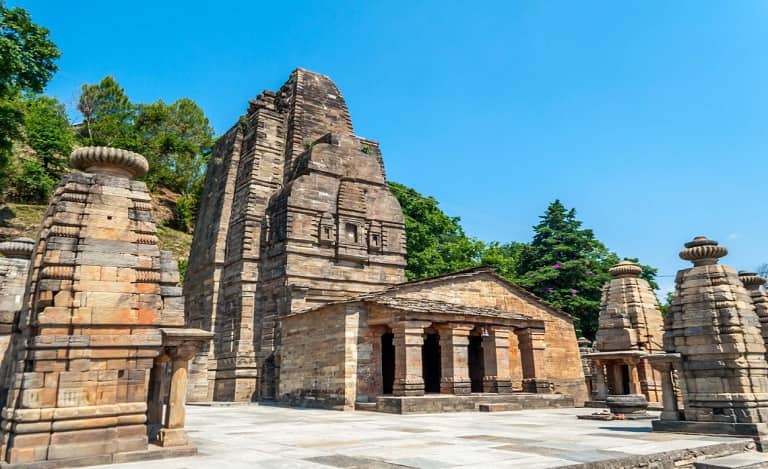
Katarmal Sun Temple, Almora – A Spiritual and Historical Gem Nestled amidst the serene hills of Almora, Uttarakhand, the Katarmal Sun Temple is an ancient and sacred shrine dedicated to Lord Surya, the Sun God. Built in the 8th century by the Katyuri kings, it stands as one of the oldest solar temples in the Kumaon region and is a remarkable example of Himalayan stone architecture. The temple is not only a center of devotion but also a site of historical and cultural significance, attracting pilgrims, historians, and travelers alike. Sacred Story and Mythology The Katarmal Sun Temple was constructed to honor Surya, who represents life, energy, and cosmic light. Legends say that the temple was built by the Katyuri dynasty to ensure the prosperity and well-being of their kingdom. It is believed that the first rays of the rising sun fall directly on the deity, symbolizing illumination, knowledge, and the removal of darkness from the world. The temple is also associated with the Suryavansha (Solar Dynasty). Ancient sages and rishis are said to have performed Surya puja (sun worship) here to gain spiritual energy, divine blessings, and purification of the mind and soul. The carvings on the temple walls depict Surya riding a chariot drawn by seven horses, representing the seven days of the week and the seven colors of sunlight, emphasizing the deity’s cosmic significance. Spiritual Significance of Katarmal Sun Temple The Katarmal Sun Temple is not only a historical marvel but also a powerful spiritual center. Dedicated to Lord Surya, the Sun God, the temple is believed to radiate divine energy that uplifts the mind, body, and soul. Devotees consider it a place where prayers are especially potent, particularly at sunrise, when the first rays of the sun fall directly on the deity. Key Spiritual Beliefs Divine Illumination:The rising sun’s rays touching the idol symbolize the dispelling of darkness and ignorance, bringing clarity, knowledge, and spiritual awakening. Purification and Healing:Offering prayers here is believed to purify the mind, body, and soul, and many devotees seek blessings for health, vitality, and protection from negative energies. Energy and Strength:Surya is associated with life force and courage. Devotees believe that worship at Katarmal imbues them with energy, determination, and resilience. Blessings for Prosperity and Success:Devotees also pray for success in endeavors, prosperity, and fulfillment of righteous desires, as the Sun God is considered a cosmic source of abundance. Festivals and Rituals The temple sees heightened spiritual activity during Makar Sankranti and other sun-related festivals. Pilgrims perform Surya puja, recite mantras, and offer rituals at sunrise, enhancing the temple’s spiritual vibrations. The serene Himalayan surroundings amplify the sense of peace, devotion, and divine connection. In essence, the Katarmal Sun Temple is a place where history, devotion, and spiritual energy converge, making it a sacred site for meditation, prayer, and seeking blessings from the Sun God. Natural Beauty and Atmosphere of Katarmal Sun Temple The Katarmal Sun Temple, set amidst the picturesque hills of Almora, Uttarakhand, is as much a visual and natural delight as it is a spiritual center. Surrounded by forests, rolling hills, and Himalayan landscapes, the temple offers a serene and tranquil atmosphere that enhances the overall spiritual experience. Scenic Surroundings Lush Forests:The temple is enveloped by deodar, pine, and oak forests, which provide a cool and refreshing environment. The rustling leaves, chirping birds, and occasional sightings of local wildlife add to the natural charm. Panoramic Himalayan Views:From the temple, visitors can enjoy stunning vistas of the surrounding Himalayan ranges, including distant snow-capped peaks. The hills and valleys create a sense of peaceful seclusion, perfect for reflection and meditation. Sunrise and Light Effects:The temple’s design ensures that the first rays of the sun fall directly on the deity, bathing the stone carvings in golden light. This spectacular natural phenomenon, combined with the serene surroundings, creates a magical and spiritual atmosphere. Peaceful Ambiance:Away from bustling towns, the temple area is quiet and meditative. The combination of chirping birds, flowing air, and forested trails gives visitors a profound sense of calm and connection with nature. Seasonal Beauty: Spring and Summer: The forests are lush, green, and vibrant, with blooming flowers adding color to the surroundings. Autumn: The foliage changes to golden and red hues, offering breathtaking scenery. Winter: Occasional snow enhances the temple’s mystical beauty, creating a serene winter wonderland. Best Time to Visit Katarmal Sun Temple The best time to visit Katarmal Sun Temple is during the spring and autumn months, when the weather is pleasant, and the natural surroundings are at their most beautiful. Ideal Visiting Seasons Spring (March to June):During spring, temperatures range from 15°C to 25°C, making it comfortable for sightseeing, trekking, and temple visits. The surrounding forests are lush and vibrant, and the Himalayan views are clear, enhancing the spiritual and natural experience. Autumn (September to November):Post-monsoon, the skies are clear, and the air is fresh and crisp. The surrounding hills regain their natural beauty, offering panoramic views of the Himalayas and an ideal environment for meditation and temple visits. Winter (December to February):Winters can be cold, with temperatures sometimes dropping below 5°C. While the temple looks serene, travel may be challenging due to icy roads. Only those comfortable with cold weather should visit during this season. Monsoon (July to August):Heavy rains can make hill paths slippery, so visiting during the monsoon is generally not recommended.

Uncategorized

Chitai Golu Devta Temple, Almora – Story and Significance

The Story of Golu Devta According to legend, Golu Devta is considered the incarnation of Lord Shiva and is also associated with local Kumaoni kings who ruled the region centuries ago. Golu Devta was known for his unerring sense of justice, fairness, and protection of the oppressed. He is believed to have appeared in Almora to safeguard the villagers and uphold truth and righteousness. Many devotees believe that Golu Devta answers prayers and fulfills wishes, especially those related to justice, justice in legal matters, personal grievances, or protection from injustice. People write their wishes on small wooden plaques called “Golu Chits” and hang them in the temple as a mark of faith. The temple is famously covered with thousands of such bells, representing fulfilled vows and prayers of devotees over the centuries. Temple and Architecture Chitai Golu Devta Temple is located around 2 km from the Almora bus station, atop a small hill. The temple is modest in structure but radiates a unique spiritual energy due to the continuous devotion of pilgrims. Inside, the idol of Golu Devta is adorned with garlands, colorful clothes, and ceremonial offerings. The walls of the temple are lined with numerous bells of various sizes, donated by devotees as a symbol of gratitude after their wishes are fulfilled. This tradition makes the temple visually striking and spiritually uplifting. Spiritual Significance of Chitai Golu Devta Temple The Chitai Golu Devta Temple is not only famous for its unique traditions but also holds deep spiritual significance for devotees. Golu Devta is considered the guardian of truth and justice, and it is believed that sincere prayers offered here bring protection, blessings, and fulfillment of righteous desires. Spiritual Beliefs Deity of Justice: Devotees believe that Golu Devta can resolve disputes, protect them from injustice, and guide them on the path of righteousness. People approach the temple with faith that their prayers will be heard and answered swiftly. Faith in Wishes: Writing wishes on Golu Chits and hanging them in the temple is not just a ritual but a spiritual act of surrender and devotion, symbolizing trust in the divine. Purification of Mind and Soul: Visiting the temple and participating in rituals is believed to purify thoughts, remove negative energies, and strengthen one’s faith, creating a sense of inner peace. Energy of Devotion: The countless bells donated by devotees contribute to the temple’s spiritual aura. The continuous ringing of bells is said to symbolize the resonance of prayers and blessings, filling the space with divine vibrations. Natural Beauty of Chitai Golu Devta Temple v The Chitai Golu Devta Temple is not only a spiritual center but also surrounded by breathtaking natural beauty that enhances the overall experience of visiting this sacred site. Located near Almora in Uttarakhand, the temple sits atop a small hill, offering panoramic views of the Himalayan foothills and the lush Kumaon valleys below. Scenic Surroundings Himalayan Views: From the temple, visitors can enjoy stunning vistas of distant snow-capped peaks, rolling hills, and dense forests that stretch across the region. The clear skies and elevated location make the views particularly mesmerizing, especially during sunrise and sunset. Lush Greenery: The temple is surrounded by deodar, pine, and oak forests, creating a serene and refreshing environment. The gentle rustle of leaves and chirping of birds add to the peaceful ambiance. Hilly Terrain: The short trek to the temple through winding hill paths allows visitors to immerse themselves in nature, breathing in the crisp mountain air and enjoying the beauty of the natural landscape. Vibrant Flora: Seasonal flowers bloom along the trails and surrounding hills, adding colorful charm to the spiritual journey. Spring and autumn are particularly beautiful when the forests display vibrant greenery and changing hues. Tranquil Atmosphere: Away from the bustle of town, the temple’s surroundings provide quietude and serenity, making it a perfect place for contemplation and connecting with nature. The combination of scenic views, lush forests, and the tranquil hilltop setting makes Chitai Golu Devta Temple not just a place of devotion, but also a visual and spiritual delight. Visitors often feel rejuvenated, both physically and spiritually, after experiencing its natural beauty. Best Time to Visit Chitai Golu Devta Temple The best time to visit Chitai Golu Devta Temple in Almora is during the spring and autumn months, when the weather is pleasant and the natural surroundings are at their most beautiful. Ideal Visiting Seasons Spring (March to June):The weather during spring is mild and comfortable, with temperatures ranging from 15°C to 25°C. The surrounding forests and hills are lush and green, making it ideal for temple visits and enjoying the scenic beauty of Almora. Autumn (September to November):After the monsoon, the skies are clear, and the air is fresh. This period offers panoramic views of the Himalayas, making the temple visit even more enjoyable. The forests regain their vibrant colors, adding charm to the spiritual journey. Winter (December to February):Winters can be cold, with temperatures sometimes dropping below 5°C. While the temple looks serene in winter, the chilly weather may make travel difficult. Only those comfortable with cold weather should visit during this season. Monsoon (July to August):Heavy rains make hill paths slippery and challenging, so visiting during the monsoon is generally not recommended. Festivals The temple sees a large number of devotees during Chaitra Navratri, Sharad Navratri, and other local festivals. Visiting during these times allows you to witness vibrant rituals, prayers, and the unique spiritual atmosphere of the temple, though it may be crowded. In summary, the most comfortable and scenic time to visit Chitai Golu Devta Temple is from March to June and September to November, combining pleasant weather, natural beauty, and spiritual experience.

Uncategorized

Jageshwar Dham Temple Story (Uttarakhand)

Sacred Story of Jageshwar Dham According to Hindu mythology, Jageshwar Dham is the divine abode of Lord Shiva as “Jageshwar”, meaning Lord of the Universe. It is believed that Lord Shiva meditated here for a long time, making this land eternally sacred. Ancient sages and rishis are said to have performed intense penance at Jageshwar to attain spiritual enlightenment and divine blessings. The site is also linked to the Pandavas of the Mahabharata, who are believed to have visited Jageshwar Dham during their exile to seek Lord Shiva’s blessings for strength and salvation. Some traditions associate Jageshwar with Jyotirlinga worship, believing it to be connected with the manifestation of Shiva’s divine light. A key sacred element of Jageshwar Dham is the Jata Ganga, a holy stream flowing near the temple complex. Mythology states that this stream originated from Lord Shiva’s matted hair (jata). Devotees consider bathing in its waters before temple worship as a way to purify the body and soul. Mythological Significance of Jageshwar Dham Jageshwar Dham holds a deeply revered place in Hindu mythology and is considered one of the most powerful Shaivite sacred sites in India. Dedicated to Lord Shiva, this holy land is believed to be charged with divine energy since ancient times. According to mythology, Lord Shiva manifested here as Jageshwar, the Lord of the Universe. It is believed that Mahadev chose this serene forest region for deep meditation, making it an eternal center of spiritual power. Because of Shiva’s long presence, the land itself is said to grant peace, liberation, and spiritual awakening to devotees. Ancient legends state that many rishis and sages performed intense penance at Jageshwar Dham to attain divine knowledge and moksha. Their tapasya turned this region into a sacred tirtha, where prayers are believed to reach Lord Shiva directly. Jageshwar Dham is also closely linked with the Pandavas of the Mahabharata. During their exile, they are believed to have visited this sacred site to seek forgiveness and blessings from Lord Shiva. It is said that the Pandavas worshipped Shiva here to absolve their sins and gain strength for the future. Another strong mythological belief associates Jageshwar with Jyotirlinga traditions. Some legends suggest that this region witnessed the manifestation of Shiva’s cosmic light (jyoti), symbolizing his infinite and formless nature. Because of this belief, worship at Jageshwar is considered especially powerful. The holy stream Jata Ganga, flowing near the temple complex, is believed to have emerged from Lord Shiva’s matted locks (jata). Bathing in its sacred waters before temple darshan is believed to purify the soul and remove negative karma. Due to these powerful legends, Jageshwar Dham is regarded as a place where mythology, devotion, and divine presence come together. For devotees, visiting Jageshwar Dham is not just a pilgrimage but a sacred journey toward inner peace and spiritual liberation. Spiritual Significance of Jageshwar Dham Jageshwar Dham is one of the most spiritually powerful and peaceful pilgrimage sites in the Kumaon region of Uttarakhand. Surrounded by dense deodar forests and ancient temples, the entire area is believed to be filled with divine vibrations that help seekers connect deeply with Lord Shiva. Spiritually, Jageshwar Dham is regarded as a sacred space for meditation, penance, and self-realization. It is believed that Lord Shiva meditated here for long periods, making the land eternally charged with spiritual energy. Even today, saints, sages, and devotees visit Jageshwar to experience inner silence, clarity of mind, and spiritual awakening. The presence of more than 125 ancient Shiva temples symbolizes the many forms and aspects of Mahadev. Devotees believe that worshipping here helps in cleansing past karmas, removing inner fears, and attaining mental peace. The naturally formed Shiva Lingams are considered especially powerful for spiritual growth and liberation (moksha). The holy stream Jata Ganga adds to the spiritual purity of the site. Ritual bathing in its sacred waters before darshan is believed to purify the soul and prepare the mind for divine connection. The sound of flowing water, temple bells, and Vedic chants creates an atmosphere of deep devotion and calmness. Jageshwar Dham is also spiritually significant for those seeking moksha and liberation. Many believe that sincere prayers offered here bring blessings, fulfillment of wishes, and protection from negative energies. The quiet forest surroundings help devotees detach from worldly distractions and focus on inner peace. Overall, Jageshwar Dham is not just a temple complex but a living spiritual center, where faith, nature, and divine energy unite. Visiting this sacred place is considered a transformative spiritual journey that brings peace, devotion, and a deeper connection with Lord Shiva. Natural Beauty and Atmosphere of Jageshwar Dham Jageshwar Dham is not only a spiritual haven but also a paradise of natural beauty. Nestled in the serene Kumaon Himalayas, the temple complex is surrounded by dense deodar, pine, and oak forests, creating a calm and refreshing environment that instantly lifts the spirit. The cool mountain air, the sound of rustling leaves, and the gentle flow of the Jata Ganga stream add to the tranquil charm of this sacred place. The temples are scattered across a hilly landscape, offering picturesque views of the surrounding valleys and distant snow-capped peaks. The architectural beauty of the ancient stone temples combined with the lush greenery gives Jageshwar Dham a timeless and mystical appeal. Walking along the forest paths, pilgrims often experience a sense of peace and a deep connection with nature. The atmosphere at Jageshwar Dham is serene, meditative, and spiritually uplifting. The chants of Vedic hymns, ringing of temple bells, and the fragrance of incense create a sacred aura that complements the natural surroundings. Early mornings and evenings are especially magical, with soft sunlight filtering through the forest canopy and the mountains bathed in golden hues. During festivals like Maha Shivratri and the month of Shravan, the atmosphere becomes even more vibrant, with devotees performing rituals, singing bhajans, and lighting lamps, all while being embraced by nature’s tranquility. This combination of spiritual devotion and natural splendor makes Jageshwar Dham a unique destination where inner peace

Scroll to Top